Commercial Waste Removal in Limehouse
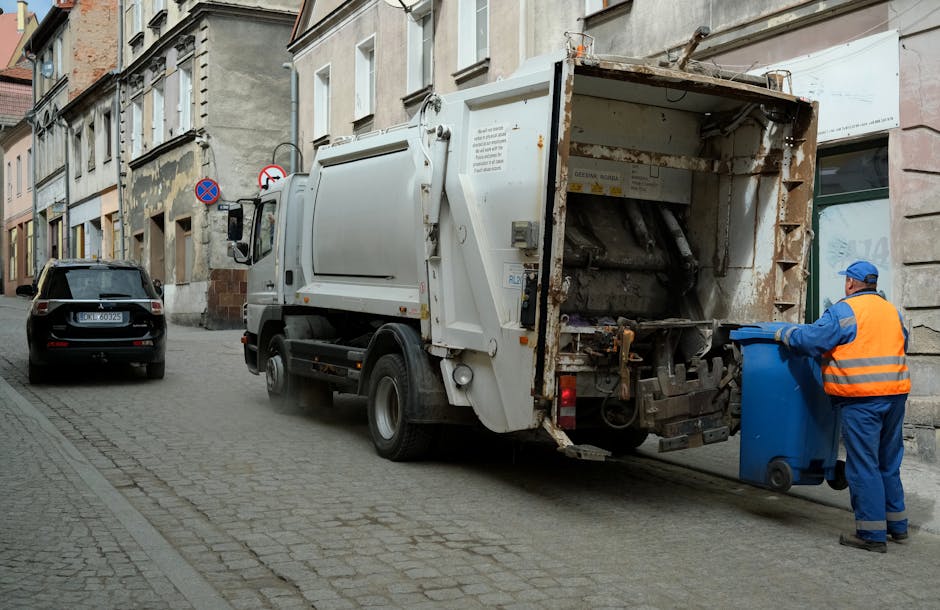
Commercial waste removal in Limehouse needs a service that can deal with mixed trade waste carefully, keep business premises clear and handle disposal in a way that suits busy working sites. We collect and remove office waste, retail packaging, redundant fixtures, light demolition debris and other non-household materials, then arrange the load for appropriate processing. The aim is straightforward: reduce clutter, support compliance and make routine clear-outs easier to manage without disrupting the working day.
Our work is centred on commercial collections for businesses that need regular or one-off help with waste that has built up on site. That can include everyday rubbish from a workplace, bulky items that no longer serve a purpose, and mixed materials that need separating before disposal. If you need a wider overview of what can be handled, the business waste removal page gives a clear starting point, while this homepage explains the main service and the practical choices that matter when arranging a collection.
Different premises create different waste profiles, so the service is planned around the type and volume of material, the access available and the time window that best suits your operation. Orderly removal matters just as much as the physical lifting: items need to be moved safely, the right loads need to be identified, and recyclable material should be separated wherever possible. That approach helps keep disposal efficient while giving you a single point of contact for the job.
Business waste collections for everyday and occasional clear-outs
Many customers only need a single clearance after an office move, stock change or refurbishment, while others need repeat help for waste that is produced week by week. We handle both styles of work. For recurring commercial waste, the focus is on practical removal of non-hazardous material that has accumulated through normal trading. For ad hoc clearances, the job may involve a fuller sweep of a store room, back office, reception area or shared workspace.
Because commercial premises vary so much, it helps to think in terms of what must leave the site, what should stay, and what might be suitable for reuse or recycling. Useful details often include the general type of waste, whether items are loose or bagged, and whether heavy objects need to be taken from upper floors or basement storage. If your project includes furniture or fixtures, our office clearance page is a relevant option for workspace contents and redundant office items.
When you are ready to ask for a quotation, a short description of the load is usually enough to begin. If the collection includes mixed materials, let us know whether the waste is mainly packaging, furniture, fixtures, appliances or general refuse. You can also mention any access issues, such as narrow corridors, loading restrictions or a shared entrance, so the collection can be arranged more smoothly. The clearer the job scope, the easier it is to match the removal to the work required.
Site clearances, fit-out waste and heavier items

Commercial waste removal often goes beyond bin-emptying and covers the heavier, less convenient materials left behind after works on site. That might mean broken shelving, damaged counters, old display units, plasterboard offcuts, bagged rubble or equipment that has reached the end of its use. These collections need proper handling because weight, shape and mix of material affect how the load is removed and where it can be processed afterwards.
For premises being refitted or handed back after alteration, the main concern is often speed and tidiness rather than volume alone. A clear sequence matters: identify the items to be removed, separate anything that is not part of the clearance, then take the remaining waste away without leaving loose debris behind. Where the waste is linked to property works, the builders waste clearance page is useful for understanding the sort of material normally involved in construction-related removals.
Not every commercial load is suitable for the same route, so careful sorting helps avoid delays. Some items may be recyclable, some may need specialist handling, and some may simply be too mixed to treat as straightforward refuse. If the job includes a combination of bulk waste and smaller loose material, it is worth describing both parts. That makes it easier to plan the lifting, the vehicle space needed and the most appropriate disposal route.
Furniture, fixtures and internal clearances
Many businesses contact us because the waste is not just rubbish but also redundant furniture and fitted items that need to be removed cleanly. Desks, chairs, shelving, cupboards, filing cabinets and similar contents can quickly make a room hard to use. Removing them in a controlled order helps avoid scuffs, breakages and unnecessary disruption, especially when the space still has staff, stock or equipment inside.
If your clearance includes larger household-style pieces used in staff rooms, waiting areas or visitor spaces, the furniture clearance page can help you see how these items fit into the wider service. The work often becomes more efficient when items are grouped by room or type, because the load can then be planned around what is bulky, what is awkward to carry and what needs extra care during removal. For general household contents linked to a business move, there is also a home clearance option on the site.
Before a collection, it is useful to separate anything you intend to keep, and to make sure access routes are usable. That does not mean you need to tidy everything perfectly; it simply helps if the waste is identifiable and reachable. If a room contains mixed contents, mention the main items first and any especially heavy or fragile pieces afterwards. A concise list is often enough to prepare a sensible response.
What happens to the waste after collection
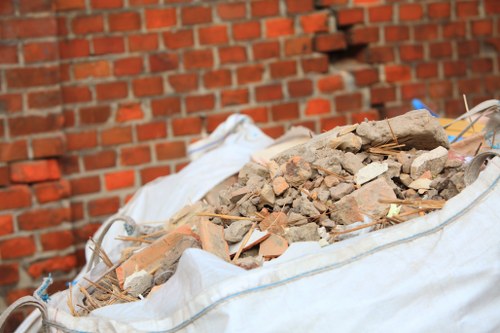
The removal itself is only part of the service. Once waste is collected, it still needs to be assessed, separated and sent on to the correct processing route. Some materials can be recovered, while others must be disposed of in a controlled way. That is why commercial waste removal is more than lifting and loading: it is also about matching the contents of the job to the right destination afterwards.
Where loads contain a mix of items, responsible sorting can make a real difference. Cardboard, office paper, light metals and some plastics may be suitable for recycling, while damaged furniture or mixed debris may need a different route. If your business has a sensitive paperwork stream alongside other waste, the confidential shredding page is relevant for secure document disposal. Keeping these streams separate can simplify the collection and reduce avoidable mixing.
Good waste handling also means knowing where the boundaries are. Hazardous or specialist materials should be identified in advance rather than placed into a general load. If the waste includes anything potentially restricted, that affects the way the job is planned and may change the service required. For most ordinary commercial clearances, though, the process remains simple: identify the load, remove it safely and send it for the appropriate processing route.
Recycling, sorting and waste reduction choices
Many customers want a removal service that is practical but still mindful of what happens next. That starts with sorting the waste into categories that are easier to process. Cardboard from deliveries, old office furniture, metal fittings, appliances and mixed general waste all tend to follow different paths once they leave the premises. Separating them where possible can make the collection more orderly and can support recycling where the material allows it.
If environmental handling is an important part of your decision, the recycling and sustainability page explains the broader approach available on the website. A commercial collection can often be made more efficient by keeping reusable or recyclable items apart from the rest of the load. That is especially helpful in workplaces that generate a regular stream of packaging, storage materials or consumables from day-to-day trading.
A useful rule is to treat the removal as a planned load rather than an afterthought. A prepared list, a rough idea of quantities and a note on any awkward objects all help to shape the collection. Clear sorting does not need to be complicated; it simply reduces confusion on the day and makes it easier to move the right materials away in one visit.
Specialist removals and restricted materials
Some jobs are straightforward clearances, while others include items that require a more careful review before removal. Fridges, freezers, certain electrical items, heavy appliances and waste with potential contamination are not treated in the same way as ordinary rubbish. These loads need to be identified accurately so they can be assessed and handled in line with the right disposal route.
For appliance-related work, the fridge and appliance removal page is the best fit. If the waste is more sensitive in nature, the hazardous waste disposal page covers the separate considerations involved. Commercial waste removal can still be the main service, but the exact category matters because a mixed load may need to be split before it is accepted or taken away.
When in doubt, it is better to describe the item than to label it broadly. A “broken fridgeâ€, “oil-stained material†or “electrical unit†gives more useful information than a general phrase such as “odd wasteâ€. That small bit of precision helps avoid misunderstandings and means the collection can be planned with the right disposal method from the outset. Accuracy saves time and supports safer handling.
About Limehouse
Limehouse is a historic riverside district in the East End of London, lying close to the Isle of Dogs and the western side of Canary Wharf. Its identity has long been shaped by the Thames, the Limehouse Cut and the nearby docks, with waterways and wharves influencing movement, trade and settlement for centuries. The area is associated with maritime history, sailors’ lodgings, warehouses and later waves of redevelopment that altered the riverside while preserving traces of older streets and waterside character. Limehouse Basin is one of the most recognisable local features, linking the Regent’s Canal to the Thames and reflecting the district’s role in transport history. St Anne’s Church is a notable landmark, visible above the surrounding streets and often mentioned as part of the area’s architectural identity. The built environment mixes surviving period terraces, dockside remnants, later housing and newer development, giving the district a layered appearance rather than a single uniform style. The wider locality also connects with the legacy of the Limehouse Causeway, the old industrial riverside and the shifting pattern of East London’s docklands. Today, Limehouse remains strongly connected to water, with moorings, bridges and canal-side routes contributing to its character. The district sits within Tower Hamlets, but its own name carries a much older local association and continues to describe a compact area with a distinctive place in London’s river history.
Planning a commercial collection around your premises

Although every job is different, a well-planned collection usually begins with three practical details: what needs removing, how much there is and how easy it will be to reach. For many business customers, that is enough to produce a useful quotation. It also helps to note whether the waste is on one floor or several, whether items are bagged or loose, and whether there are any constraints such as timed access or a shared loading point.
For pricing and quotation questions, the pricing and quotes page is the most relevant destination. A clear description allows the service to be matched to the actual work involved, rather than to a vague category. If the job includes several different waste types, a short breakdown of each part is more useful than a single total. That way the removal can be arranged in a way that reflects the real contents of the site.
When you contact us, it is usually worth having a few details ready, but not an exhaustive inventory. A brief note on location, item type and approximate volume is often enough to start. Photographs can also help when the waste is mixed or bulky, though they are not a substitute for a plain description. The aim is simply to make the quotation accurate enough to reflect the work at hand.
Arranging the service and next steps
For businesses that want to move forward, the next step is simply to request a quotation and outline the waste that needs to go. If the collection is linked to a relocation, refit or office refresh, mention that in the enquiry so the clearance can be aligned with the timing of the wider work. If you have a preferred collection window, include that too; it helps keep the job practical and avoids unnecessary back-and-forth.
The contact us page is the final place to go when you are ready to make an enquiry. A short message with the type of waste, the premises involved and any access notes is normally enough to begin. If you prefer to explore the wider service first, the waste removal page gives a broader overview of what the business covers, while this homepage remains focused on commercial waste removal in Limehouse.
Request a quotation today and tell us what needs removing, and we will help arrange the next step in a clear, straightforward way. If your business needs a cleaner, more workable space, now is a sensible time to ask for a quote and get the collection process underway.