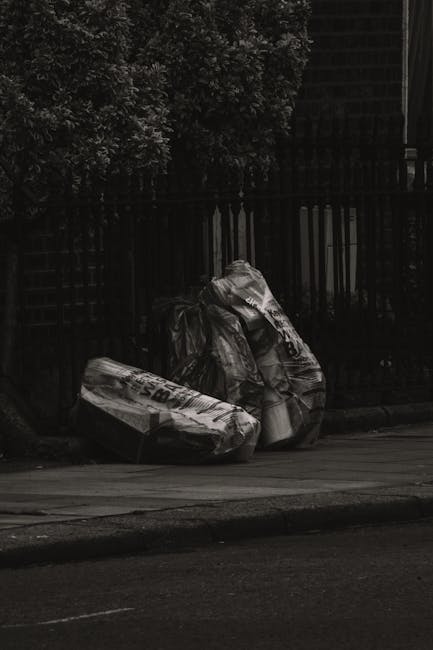
Guide to safe bulky item disposal at home and curbside pickup

If you have an old sofa blocking the hallway, a mattress leaning in the spare room, or a fridge that has finally given up with a worrying hum, bulky waste can become one of those jobs you keep stepping around. The good news is that safe bulky item disposal at home and curbside pickup does not need to be chaotic, risky, or expensive in the wrong way. With a bit of planning, you can clear space, protect your home, and avoid the common mistakes that lead to injuries, missed collections, or items being rejected at the kerb.
This guide walks you through the practical side of bulky item disposal: what counts as bulky waste, how curbside pickup usually works, what to prepare before collection day, and when a specialist service makes more sense. You will also find a checklist, a comparison table, and straight-talking advice for handling heavy items safely. Let's make the job feel manageable, not monstrous.
- Why safe bulky item disposal matters
- How home disposal and curbside pickup works
- Key benefits and practical advantages
- Who this is for and when it makes sense
- Step-by-step guidance
- Expert tips for better results
- Common mistakes to avoid
- Tools, resources and recommendations
- Law, compliance, standards and best practice
- Options, methods and comparison table
- Case study or real-world example
- Practical checklist
- Conclusion
- Frequently asked questions
Why Guide to safe bulky item disposal at home and curbside pickup Matters
Bulky item disposal looks simple from the outside: move the item outside, wait for collection, job done. In reality, the risks start much earlier. A wardrobe can pinch fingers while being dismantled. A washing machine can damage flooring if dragged. A sofa can trap dust, break apart unexpectedly, or simply be too awkward to get through a narrow stairwell without help.
Safety matters because bulky items are, by definition, awkward. They are often heavy, unstable, dirty, sharp-edged, or partly broken. Some contain materials that should not be mixed with ordinary household rubbish. Others are too large for normal bins and can be refused if they are not presented correctly. That is where a calm, organised approach saves time and stress.
There is also the practical side. A well-prepared collection is more likely to go smoothly, which means less back-and-forth, fewer surprises, and less time spent trying to guess what a collection team expects. If you have ever watched a chair wobble halfway down the stairs while everyone goes quiet, you will know why planning is not optional. It is the whole game.
In many homes, bulky waste also sits at the intersection of clutter and emotion. Old furniture, broken white goods, and leftover items from a move can make rooms feel cramped and unfinished. A safe disposal plan clears space without turning your home into a construction site. That alone is worth it.
How Guide to safe bulky item disposal at home and curbside pickup Works
At a basic level, bulky item disposal works in one of three ways: you prepare the item yourself for a scheduled collection, you place approved items at the kerbside for pickup, or you use a service that removes it directly from inside the property. The right method depends on the item, your building layout, local collection rules, and how much lifting you can safely manage.
Curbside pickup is usually the simplest on paper. You place eligible items where the collection can reach them, often by the front boundary or another agreed pickup point, and make sure they are ready by the stated time. But "ready" can mean more than just outside. Items may need to be separated, bagged, dismantled, or kept clear of obstacles. Miss that part and the collection can be delayed.
At-home disposal is more hands-on. It may involve sorting, removing drawers or doors, wrapping sharp sections, and moving items through the home without scraping walls or floors. It can be the right option for smaller bulky items or for people who want to reduce handling on collection day. It is also where most people underestimate the work involved.
Some items deserve extra care. Fridges, freezers, and some electrical items often need specialist handling because of refrigerants, wiring, or internal components. Mattresses and sofas may need separate handling depending on condition and material mix. If something smells damp, looks mouldy, or is visibly damaged, you should treat it cautiously and avoid dragging it around bare-handed.
A good rule of thumb: if the item is difficult to lift, awkward to grip, or likely to fall apart, assume it needs planning before movement. Honestly, that one habit prevents a lot of little disasters.
Key Benefits and Practical Advantages
Safe bulky item disposal is not just about "getting rid of stuff". It helps you avoid injury, save time, and keep the home in decent shape while the work is being done. Those benefits are easy to appreciate once you have done the job properly once.
- Less risk of injury: careful handling reduces strain, trips, and crushed fingers.
- Cleaner exit routes: you are less likely to chip paint, dent walls, or scuff floors.
- Better acceptance rates: items prepared properly are more likely to be collected without issue.
- Improved sorting: reusable, recyclable, and non-recyclable items can be separated in advance.
- Less stress on the day: a clear plan means fewer last-minute arguments with a sofa that will not fit through the door. Been there, frankly.
Another advantage is that safe disposal creates a better decision point. Once the item is cleanly separated from the rest of the house, you can see whether it is genuinely waste, suitable for reuse, or part of a larger clearance. That is especially useful for households tackling a room reset, a move, or an inherited property. If the job becomes bigger than one or two bulky items, a broader home clearance approach may be more efficient.
It can also help the environment, provided the item is routed correctly. Reuse first where possible, then recycling, then disposal. That sequence is the sensible one. It keeps usable furniture and appliances from being treated like mixed rubbish.
Who This Is For and When It Makes Sense
This guide is for anyone dealing with one or more large household items at home: renters clearing a flat, homeowners replacing furniture, landlords preparing between tenancies, families after a move, or people who have simply reached the end of the "we might need that one day" era.
It makes sense when the item is too large for normal bins, too awkward for a standard weekly collection, or too bulky to move without planning. Common examples include:
- sofas and armchairs
- mattresses and bed frames
- wardrobes and shelving units
- fridges, freezers, and other appliances
- desks, office chairs, and filing cabinets
- garden furniture and other outdoor bulky items
- garage clutter that has outgrown the garage, which happens more often than people admit
If you live in a flat with shared access or tight stairways, the case for planned disposal is even stronger. A narrow landing and a heavy wardrobe are not a heroic combination. They are a headache waiting to happen.
For businesses, landlords, and property managers, bulky waste is also about turnaround time. Emptying a space quickly and safely can support letting, sale, refurbishment, or reopening. In those cases, a general waste removal service or a more targeted solution may be worth considering alongside your own preparation.
Step-by-Step Guidance
Here is the simplest way to handle bulky item disposal without making it messy.
- Identify each item clearly. Make a quick list of what is going, including whether it is heavy, breakable, dirty, or electrical.
- Check whether the item can be reused, repaired, or donated. If it is in decent condition, disposal may not be the best first move.
- Measure doors, hallways, and stairs. This sounds obvious until a wardrobe gets stuck. Then it is suddenly very obvious.
- Dismantle what you can safely dismantle. Remove cushions, legs, doors, drawers, or shelves where appropriate.
- Separate materials if needed. Keep metal, wood, electronics, and upholstery apart where practical.
- Protect the route. Use gloves, lift with care, and clear small obstacles from hallways and entrances.
- Place the item at the agreed pickup point. Follow any collection rules on timing, access, and acceptable presentation.
- Confirm what will and will not be collected. Mixed or restricted waste can be refused if it is not presented correctly.
- Keep children and pets away from the route. It only takes a second for someone to wander underfoot.
- Inspect the area afterwards. Check for screws, splinters, broken glass, or small parts left behind.
If the item is an appliance, especially a fridge or freezer, check whether any preparation is required before it is moved. Some appliances contain components that should not be handled carelessly. A specialist fridge and appliance removal service is often the safer route when you are not sure.
For upholstered items, the surface can hide dust, pests, or damp. If a sofa or mattress has suffered water damage or looks badly worn, handle it as contaminated household waste rather than casually dragging it through the home. If you need a dedicated route for them, mattress and sofa disposal may be the more suitable option.
Expert Tips for Better Results
In practice, the safest bulky item removals tend to be the quiet, boring ones. That is not a bad thing. Quiet and boring is exactly what you want when lifting heavy furniture.
- Work from the smallest obstacle outwards. Move side tables, shoe racks, and loose items before touching the bulky item itself.
- Use two people if there is any doubt. Even if you think you can manage alone, a second pair of hands can steady the load and open doors.
- Take doors off hinges where appropriate. It often saves more trouble than trying to angle the item through a tight frame.
- Don't overfill a route. One item at a time is usually safer than staging multiple heavy items near the exit.
- Keep a basic toolkit nearby. Screwdriver, gloves, tape, and a utility knife can be surprisingly useful.
- Check weather before curbside pickup. Rain can make cardboard soft, upholstery heavier, and paths slippery. A dull Tuesday morning can turn into a bit of a comedy of errors otherwise.
One thing people underestimate is how awkward a partly dismantled item can be. A sofa with one cushion removed can be easier to carry, sure, but a loose armrest or dangling spring can create a new snag point. Cut, tape, or tie off anything that might catch.
Another useful habit: take photos before moving anything. Not for drama. Just for reference. If something breaks unexpectedly, or if you need to show what was set out for collection, the picture can save a confusing conversation later.
If you are emptying a loft, garage, or shed and the job keeps expanding, it may be time to step back and treat it as a larger project. Services such as loft clearance or garage clearance can be a better fit than trying to do everything item by item.
Common Mistakes to Avoid
A lot of bulky waste problems come from a handful of predictable mistakes. Avoid these and you are already ahead.
- Guessing the weight. "It's not that heavy" is famous last words in home removal.
- Dragging items across floors. That is how scratches, torn vinyl, and strained backs happen.
- Leaving loose screws and fittings behind. They become trip hazards later.
- Putting out restricted items. Some items need specialist handling and may not be accepted in a general collection.
- Assuming curbside means anywhere outside. Collection teams often need items placed in a specific location.
- Ignoring access issues. Narrow gates, shared driveways, and blocked pavements can all delay collection.
- Mixing general waste with bulky items. A neat pile of furniture can quickly become a rejected pile if it is contaminated with the wrong extras.
There is also the "I'll deal with it later" mistake, which everyone knows by heart. The longer bulky waste stays in the way, the more likely it is to get damp, fall apart, or become a storage shelf for random bits you forgot you owned.
If you are unsure whether an item belongs in a mixed load, it is wiser to separate it first and ask for clarification than to risk a collection being turned away. When in doubt, keeping things simple wins.
Tools, Resources and Recommendations
You do not need a warehouse of specialist gear to dispose of bulky items safely, but a few basic tools make a proper difference.
| Tool or resource | What it helps with | Why it matters |
|---|---|---|
| Work gloves | Grip, cuts, splinters, dirty surfaces | Reduces hand injuries and improves control |
| Measuring tape | Doorways, hallways, stairs | Helps confirm whether an item will fit through safely |
| Screwdriver or drill | Dismantling furniture or removing fittings | Can turn an impossible carry into a manageable one |
| Heavy-duty tape or straps | Securing loose parts | Prevents movement and snagging |
| Blankets or cardboard sheets | Protecting walls and floors | Useful when moving large items through tight spaces |
| Collection guidance from the chosen provider | Presentation, timing, acceptance rules | Stops avoidable rejections on the day |
If you are comparing service options, it helps to look at more than headline price. Check what is included, whether heavy lifting is covered, whether the team is insured, and how items are sorted afterwards. The insurance and safety information can be a useful point of reference when weighing up trust and risk.
For those who want a clear view of what a skip or container can handle, the page on what can go in a skip is a handy companion, especially if you are deciding whether a mixed-load approach fits your project. Sometimes the question is not "Can I dispose of this?" but "What is the cleanest route for it?"
Law, Compliance, Standards and Best Practice
Bulky item disposal in the UK is not just a matter of convenience. There are real compliance and safety expectations behind it. You do not need to memorise a legal handbook, but you should follow sensible best practice and avoid putting anything out in a way that could create hazards or breach local collection rules.
At home, the key duties are straightforward: do not block pavements or access routes, do not leave items in a dangerous condition, and do not place out waste that the collector has not agreed to take. If an item contains hazardous materials, refrigerants, or other specialist components, it should be handled through the correct route rather than treated like ordinary furniture.
For trade, rental, and commercial settings, the standards are even more important. Duty of care expectations generally mean waste should be transferred responsibly and handled by suitable operators. That includes making sure the collection process is documented properly and that the items are not mixed with unsuitable material. If your bulky waste comes from a business premises, business waste removal is the more relevant route than a casual home-style clear-out.
It is also worth thinking about health and safety in plain English. Can the item be lifted without twisting? Is the route clear? Are there sharp edges, broken glass, or hidden fixings? If the answer to any of those is "not really", slow down and change the plan. That is not being overcautious. That is being smart.
Where specialist collection is needed, providers should be able to explain how they manage different waste streams and what happens to reusable or recyclable material. A good recycling and sustainability approach is not just about good intentions; it is about sorting properly, avoiding contamination, and sending each item to the right destination.
Options, Methods and Comparison Table
Most readers end up choosing between doing the move themselves, using curbside pickup, or arranging a full removal service. Here is a practical comparison.
| Method | Best for | Pros | Watch out for |
|---|---|---|---|
| DIY at-home disposal | Small bulky items, light dismantling, straightforward access | Flexible timing, less dependence on a collection slot | Higher risk of lifting injuries and property damage |
| Curbside pickup | Items already prepared and agreed with the collector | Simple, often efficient, less handling inside the home | Items may be refused if they are not presented correctly |
| Specialist removal service | Heavy, awkward, or multiple items; difficult access; time-sensitive clearances | Less lifting for you, often faster, better for mixed bulky loads | May cost more than a simple self-managed pickup |
If your item is tied to a larger project, the removal method changes too. A single mattress is one thing. A room full of old furniture after a tenancy change is another. In that case, a broader house clearance or furniture clearance may give you better value and less disruption.
For flat dwellers, the access issue can be the deciding factor. Tight staircases, communal entrances, and limited lift space can make even a modest item awkward. A flat clearance approach can be more practical than trying to force a standard bulky pickup to fit the building.
Case Study or Real-World Example
A typical example: a family in a terraced house wants to clear an old three-seater sofa, a broken chest of drawers, and a fridge that stopped working after years of loyal service. On the face of it, the job looks like an hour's work. In practice, the hallway is narrow, the stairs turn sharply, and the fridge cannot be safely tipped without help.
The family starts by measuring the hallway and doorway widths, then removes cushions, drawers, and any loose fittings. They place the sofa and drawers near the front room exit rather than dragging them down the stairs piece by piece. The fridge is left for specialist removal because of the weight and the fact that it is an appliance. That decision alone removes a lot of risk.
On collection day, the items are placed neatly at the agreed pickup point, not half in the way of the pavement, and small screws are swept up afterwards. It is not glamorous. But it works. More importantly, nobody hurts their back trying to be a hero. There is a kind of relief in that quiet end-of-job moment, when the room suddenly feels breathable again.
That same logic applies to larger clear-outs too. If a single room becomes a mini-landfill of old furniture and odds and ends, it is often quicker to treat it as a structured clearance rather than a stack of individual problems. If you know the job has outgrown a one-off pickup, a coordinated furniture disposal or broader clearance plan can save time and effort.
Practical Checklist
Use this before you move anything heavy:
- Identify every bulky item you want removed.
- Check whether anything can be reused, donated, or repaired.
- Confirm whether the item is accepted for curbside pickup.
- Measure doors, stairs, gates, and tight corners.
- Clear the route from the item to the exit.
- Remove loose parts such as cushions, drawers, shelves, or legs.
- Wear gloves and suitable footwear.
- Get help for heavy or awkward items.
- Keep children and pets away from the work area.
- Place items exactly where the collection instructions say.
- Keep restricted or hazardous items separate.
- Sweep up screws, glass, and small fragments afterwards.
If you tick all of those off, the actual collection tends to be much smoother. Not perfect, maybe. But smoother. And on a day like that, smoother is a win.
Get a free quote today and see how much you can save.
Conclusion
Safe bulky item disposal at home and curbside pickup is really about three things: preparation, judgement, and clear handling. If you measure properly, separate the right items, protect the route, and choose the right disposal method, the whole process becomes far less stressful. That is true whether you are moving one old sofa or clearing several rooms at once.
The smartest approach is usually the least dramatic one. Plan first, lift carefully, and do not force an item to fit a method that was never right for it. If the job starts feeling bigger than a single pickup, that is not failure. It is just a sign that the task deserves a better system.
Clear the space, take the pressure off, and give yourself an easier home to live in. Sometimes that's the real win.
Frequently Asked Questions
What counts as a bulky item?
A bulky item is any household object that is too large, heavy, or awkward for normal bin collection. Sofas, mattresses, wardrobes, beds, fridges, and large appliances are common examples.
Can I put bulky items at the curb for pickup myself?
Usually yes, if your collection provider or local arrangement allows it and the item is prepared correctly. You will normally need to place it at the agreed point and follow any size, timing, or presentation rules.
How do I know if an item needs special handling?
If it contains electrical parts, refrigerants, sharp components, broken glass, or signs of contamination such as mould or damp, it should be treated carefully. Appliances and damaged upholstery often need a more specialised route.
Is it safer to dismantle furniture before disposal?
Often yes, as long as it can be done safely. Removing legs, shelves, or drawers can make an item easier to carry and reduce the chance of damage to walls or flooring. Do not dismantle anything that feels unstable or complicated without the right tools.
What should I do before moving a heavy item indoors?
Clear the route, measure narrow spots, protect the floor if needed, and have a second person help if the item is awkward. It is also sensible to remove loose pieces and check for sharp edges.
Can I dispose of a fridge with normal bulky waste?
Not always. Fridges and similar appliances can require separate handling because of internal components and refrigerants. A dedicated appliance removal route is usually the safer option.
What if my bulky item is in bad condition?
If it is broken, damp, mouldy, or coming apart, handle it with extra care. Some items are better treated as specialist waste rather than casual household rubbish. Do not drag contaminated items through the house without protection.
Do bulky item collections accept mixed rubbish?
Sometimes, but only if the provider has agreed to it. Mixed loads are often the point where collections get rejected, so it is better to separate your bulky items from general waste unless you know the rules in advance.
How can I avoid damaging walls and floors?
Use a clear route, move slowly, protect corners where needed, and avoid dragging items. If an item is too large for the space, rethink the plan rather than forcing it through. That saves a lot of repair work later.
Is curbside pickup better than a full removal service?
It depends on the item and the access. Curbside pickup is often simpler if the item is already prepared and easy to move outside. A full removal service is usually better for heavy, awkward, or multiple items.
What is the best first step if I have several bulky items?
Make a list and sort the items by type, condition, and difficulty. Once you know what needs specialist handling and what can be moved safely, the rest of the plan becomes much easier.
Where should I go if the job has become a full room or property clearance?
If the task has grown beyond one or two items, a wider clearance option may be more practical. For larger domestic jobs, home clearance or house clearance can be a better fit than piecemeal disposal.
How do I decide whether to keep, repair, reuse, or dispose of an item?
Ask yourself whether the item is safe, functional, and worth the space it takes up. If the repair cost or effort outweighs the value, disposal may be the sensible choice. If it still has life left in it, reuse should come first.